
Reviewed by Hasitha K. Balasooriya · Managing Director, Gemszen (Pvt) Ltd · 8 years of gem-industry experience · Updated 6 October 2026
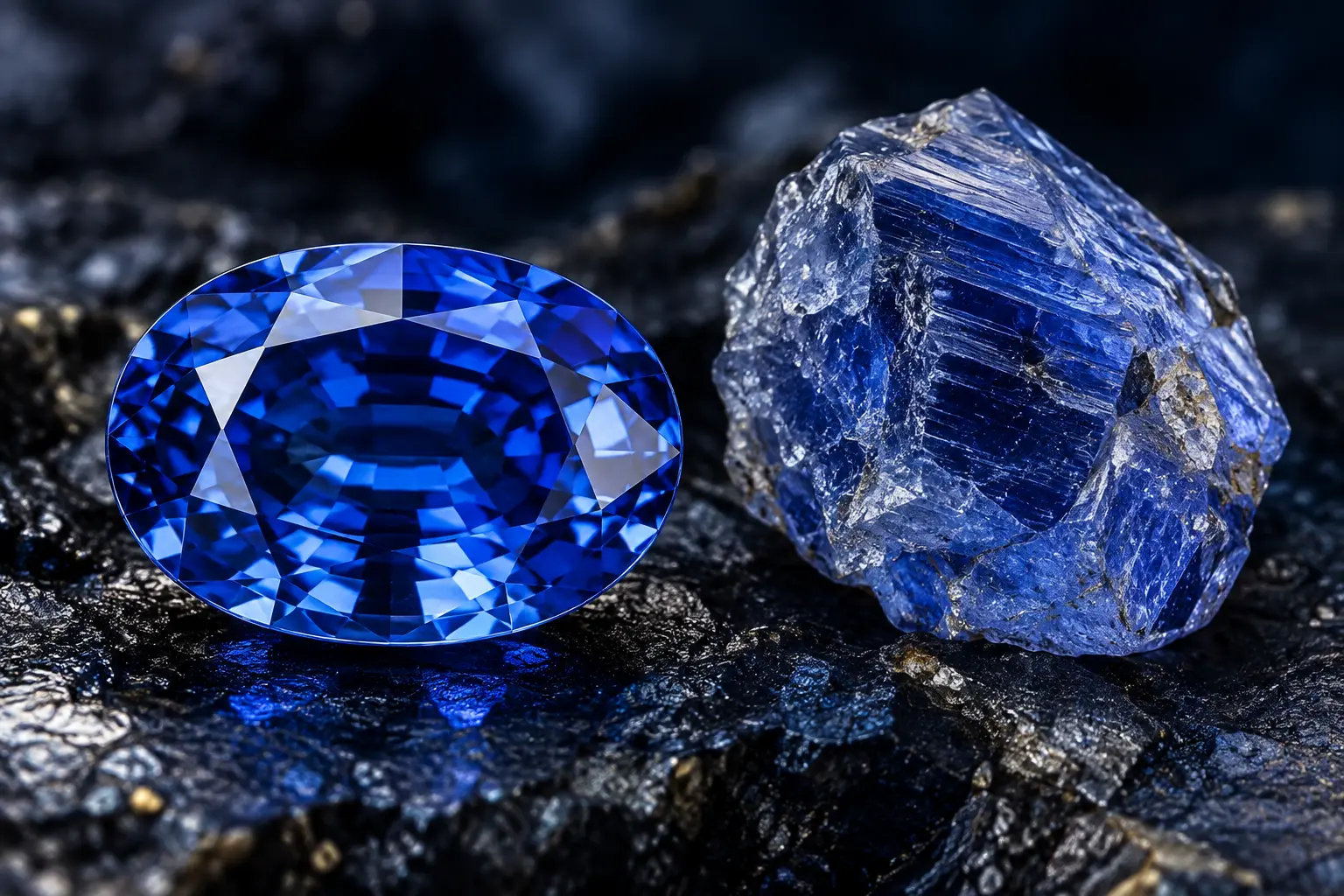
සිලෝන් නිල් මැණිකක වටිනාකම තීරණය කරන්නේ පාට පමණක් නොවේ. වර්ණයේ සමානතාව, පැහැදිලිභාවය, කැපුම, බර, තාප පිරියම් සහ රසායනාගාර වාර්තාව එකට පරීක්ෂා කළ යුතුය.
What makes a blue sapphire attractive?
Colour is usually the first impression. Buyers look at hue, tone, saturation and how evenly colour is distributed. A stone that is too dark may lose visible brilliance, while a very pale stone may appear less intense. Personal preference and market demand both influence desirability.
Clarity, cut and carat weight
Natural sapphires commonly contain inclusions. Their type, location and visibility matter more than simply whether inclusions exist. A well-planned cut improves light return, colour presentation and face-up appearance. Carat is a unit of weight, not size, so two sapphires of the same weight can look different.
Treatment and laboratory reports
Heat treatment is widely used to improve sapphire colour or clarity. An unheated conclusion can affect rarity and market value, especially in fine stones, but it should be supported by a qualified laboratory. Reports may state identity, natural or laboratory-grown status, detectable treatment and sometimes an opinion on origin.
Frequently asked questions
Does GIA grade sapphire like diamond?
GIA identifies sapphire and reports relevant characteristics and detectable treatments, but it does not issue an overall quality grade for coloured stones.
Is a darker blue always more valuable?
No. Very dark stones can look inky. Attractive saturation, suitable tone, even colour and good brilliance are considered together.
Does “Ceylon” guarantee quality?
No. Origin is not a quality grade. Every stone must be evaluated individually.